
Healey rules out any rise in capital gains tax in 28 October budget
John Healey has rejected calls to raise capital gains tax in his first budget on 28 October, The Times reports, going further than last week's pledge by ruling out any increase at all.
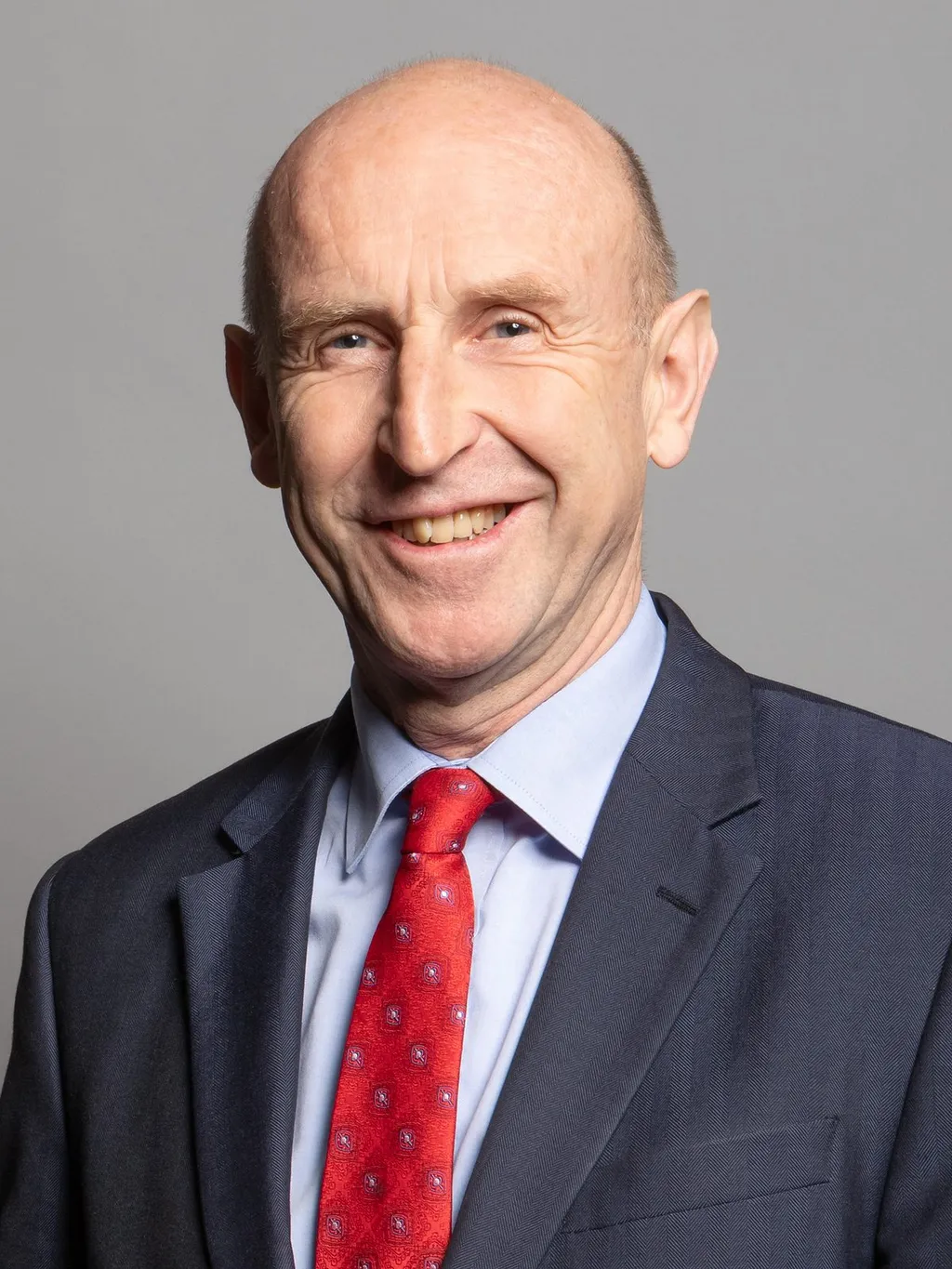
John Healey has rejected calls to raise capital gains tax in his first budget on 28 October, choosing instead to put economic growth and business investment first, The Times reported on Monday night.
Senior allies of Prime Minister Andy Burnham, including several cabinet ministers, had been pressing the Chancellor to raise the levy on the sale of second homes, shares and other assets to help repair the public finances. According to the report, Healey ruled it out after warnings that a higher rate could ultimately cost the Treasury money if wealthy individuals left Britain or deferred selling assets. The report was relayed by Reuters at 21:35 UTC on Monday.
The decision goes further than the Chancellor’s position last week. The Financial Times reported on 13 October that Healey had ruled out raising capital gains tax to match income tax rates, though a smaller increase was said to still be under consideration. Tonight’s report rules out any increase at all.
Healey has said he wants a “steady as she goes” budget rather than the large packages of tax rises that marked the fiscal events of his predecessor Rachel Reeves, The Times said. The biggest revenue-raising measure will be a tax raid on banks, the proceeds of which will fund a targeted, temporary package of cost-of-living support. He is also expected to trim the government’s fiscal headroom — the buffer against future shocks — from £23bn to around £15bn.
Capital gains tax is currently charged at 18 per cent for basic-rate taxpayers and 24 per cent for higher-rate taxpayers, and raised £24bn in the 2025/26 tax year, Reuters noted. HM Revenue and Customs has estimated that raising the higher rate by 10 percentage points would reduce receipts by £3.6bn in 2028-29 because of behavioural changes.
The Treasury declined to comment, telling Reuters that “decisions on tax are a matter for the Chancellor to set out at fiscal events, rather than routinely commenting on rumour, speculation or proposals”.
Supporters of a rise have not gone quiet. Louise Haigh, the first secretary of state, has called for capital gains tax to be brought “closer to income tax rates”, while Defence Secretary Wes Streeting has advocated a rise while keeping lower rates for entrepreneurs. Lord O’Neill of Gatley, a former Goldman Sachs economist and Burnham ally, called a rise “stupid” and welcomed the decision as “eminently sensible”.
Read next:
More on this topic: all UK Broadband stories