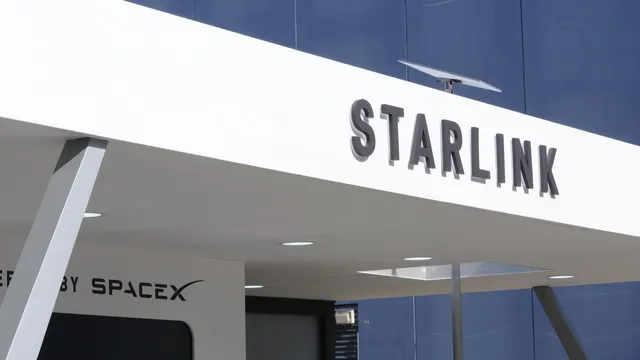

Lithuania calls Starlink base-station arson attempt 'Russia-linked sabotage', boosts critical-site security
Lithuania is treating an attempted arson attack on a Starlink base station near Vilnius as Russia-linked sabotage, and its prime minister has announced stepped-up security around critical infrastructure.

Lithuania is treating an attempted arson attack on a SpaceX Starlink base station near Vilnius as Russia-linked sabotage aimed at Ukraine’s military capacity. The suspects struck about 2am on Sunday (2300 GMT Saturday); the blaze was quickly put out, with only minor property damage and no disruption to operations, with the culprits still at large (Reuters).
Vilmantas Vitkauskas, head of the National Crisis Management Centre, said: “We understand that this was not a routine arson attack but an act of sabotage.” He linked the attempt to earlier Starlink arson attacks in Bulgaria and Poland, calling them “part of Russian attempts to disrupt Starlink and influence the success of Ukrainian operations”. “Ukraine is the target,” he added. Ukraine uses Starlink extensively for battlefield communications and drone guidance.
On Monday, Prime Minister Mindaugas Sinkevicius said Lithuania would boost security at critical infrastructure after officials met over a suspected drone explosion and Sunday’s Starlink incident. “We agreed to increase the level of preparedness at critical infrastructure objects … we will devote a larger number of forces and more attention to the objects,” he said (Reuters).
On 10 October, 11 of 17 Starlink antennas were torched at a restricted site in the Plana mountains near Sofia; two men aged 20 and 21 on German passports were detained on 12 October (Militarnyi). On 23 September, fire at the Wola Krobowska station engulfed its power system and backup generator; Warsaw blamed Russia and four suspects were detained (Reuters; osint-baltic). Moscow calls the accusations baseless “anti-Russian hysteria”.
More on this topic: all Satellite Internet stories