
GSK reports first global data for lung-cancer drug candidate Ris-Rez
GSK has reported the first global data for its investigational B7-H3-directed antibody-drug conjugate risvutatug rezetecan (Ris-Rez), with a confirmed objective response rate of 61% at the 8 mg/kg dose in relapsed extensive-stage small cell lung cancer.
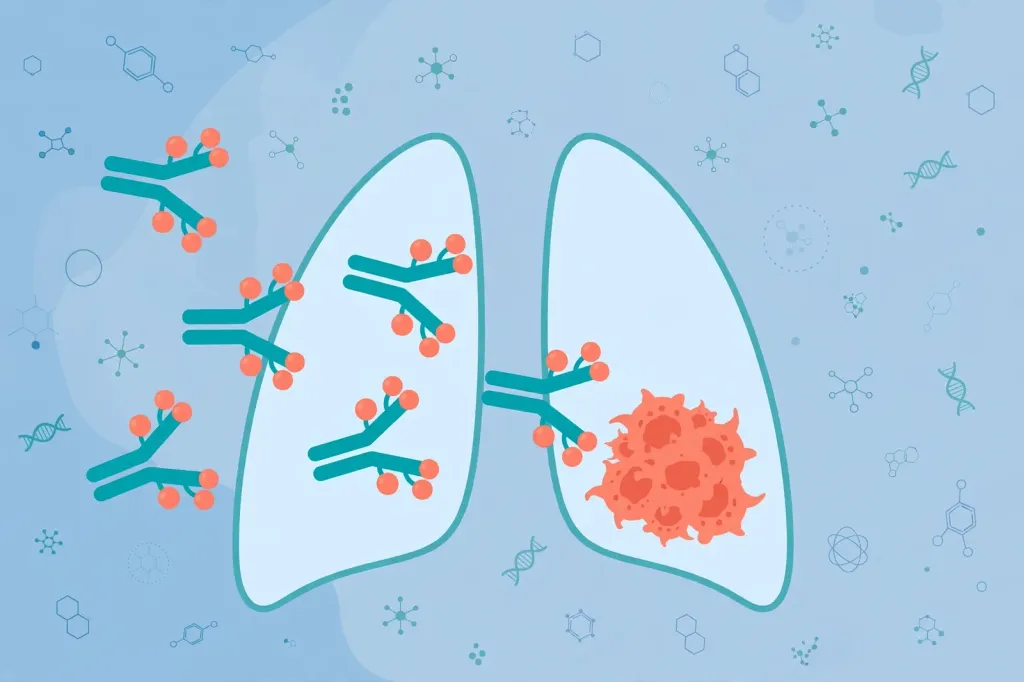
GSK has reported the first global clinical data for risvutatug rezetecan (Ris-Rez), its investigational B7-H3-targeted antibody-drug conjugate, in relapsed extensive-stage small cell lung cancer.
Results from the phase Ib dose-optimisation portion of the EMBOLD PanTumour-101 trial showed a confirmed objective response rate (ORR) of 61% among evaluable patients at the 8 mg/kg dose — 11 of 18 patients, with a 95% confidence interval of 35.7% to 82.7% — compared with 32% (7 of 22) at the 6 mg/kg dose. The safety profile was manageable at both doses, with grade 3 or higher treatment-related adverse events in 42% of patients at 8 mg/kg and 15% at 6 mg/kg, most commonly haematological. Interstitial lung disease was reported in one of the 50 patients studied.
The findings will appear in a poster session at ESMO Congress 2026 in Madrid. Together with data from Hansoh Pharma’s phase III ARTEMIS-008 study in China, they supported selection of the 8 mg/kg dose, now being tested in the global phase III EMBOLD SCLC-301 study.
“Today’s first global data for Ris-Rez build on the statistically significant overall survival benefit recently reported in Hansoh’s pivotal Chinese trial,” said Hesham Abdullah, GSK’s senior vice president and global head of oncology R&D. “As the data for Ris-Rez continues to grow, we remain focused on accelerating development in extensive-stage small cell lung cancer, where patients often relapse quickly and urgently need more treatment options.”
These early, company-reported phase Ib results are not proof of efficacy.
Sources: Alliance News via Morningstar; Biopharma Asia
More on this topic: all Health stories