

Simple blood tests tell doctors when it's safe to stop sepsis antibiotics — evaluation
A process evaluation of the ADAPT-Sepsis trial found procalcitonin-guided advice prompted clinicians to stop antibiotics almost two days earlier than CRP-guided advice across 2,760 UK intensive care patients.
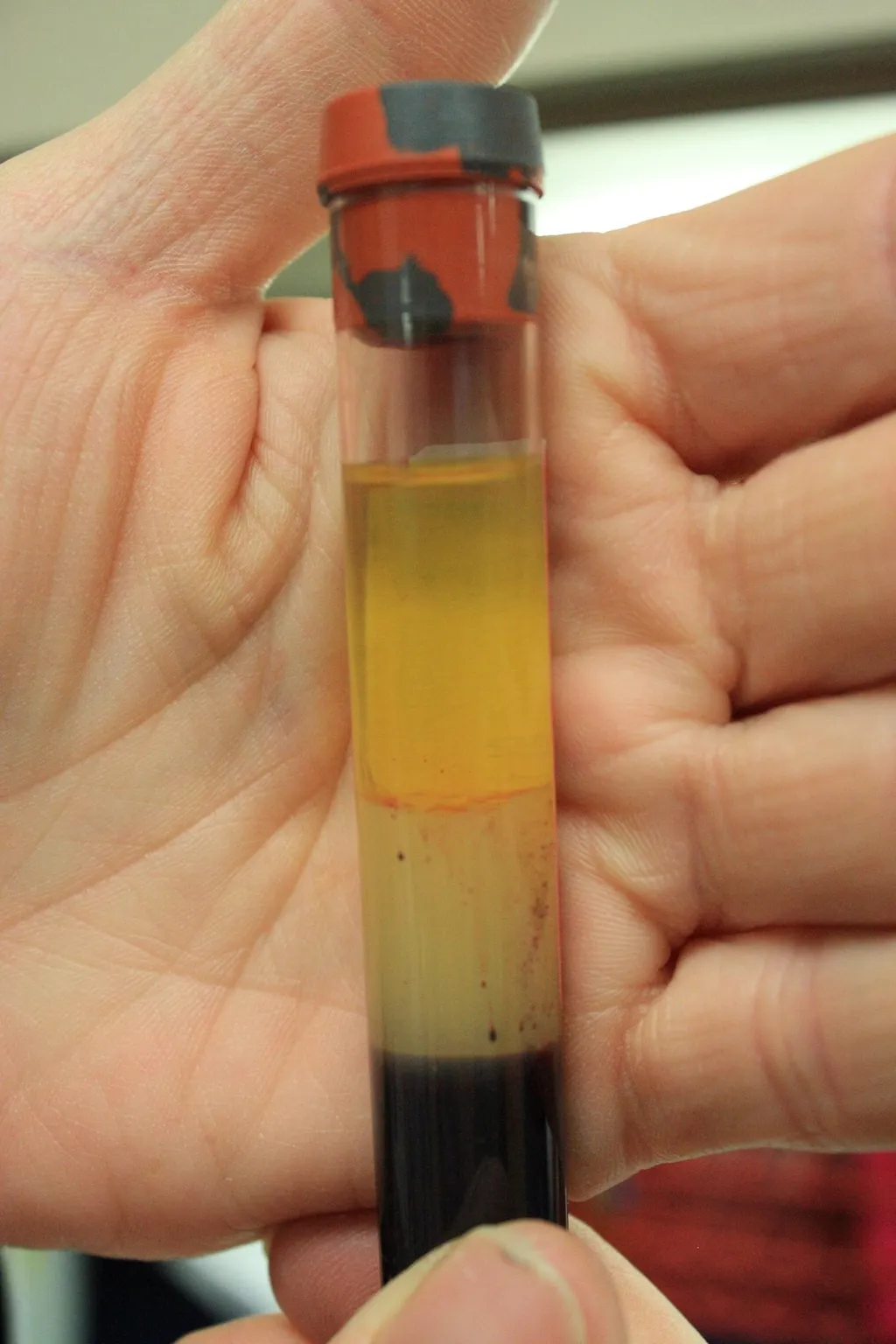
Daily blood tests can tell intensive care doctors when it is safe to stop antibiotics, with procalcitonin-guided advice recommending ending treatment nearly two days earlier than C-reactive protein-guided advice.
The study, published on 20 October 2026 in Anaesthesia, analysed clinicians’ responses to automated antibiotic-stopping advice in 2,760 patients across 41 UK intensive care units in the NIHR-funded ADAPT-Sepsis programme, led by Professor Paul Dark of the University of Manchester and Northern Care Alliance NHS Foundation Trust (first author: Ranjit Lall, Warwick Clinical Trials Unit, University of Warwick).
Procalcitonin-based guidance generated “stop antibiotics” recommendations a mean 1.7 days earlier than CRP-based guidance (95% CI −2.5 to −0.9, p<0.001), but clinicians were more likely to follow CRP advice (mean difference 6.8%, p<0.001); CRP guidance generated more “standard care” advice (+9.1%).
The main ADAPT-Sepsis trial, published in JAMA in February 2025, found daily procalcitonin-guided protocol cut mean antibiotic duration from 10.7 to 9.8 days with noninferior 28-day mortality (19.4% versus 20.9%) versus standard care.
“For decades, intensive care doctors have faced an impossible balancing act,” said Professor Dark. “Nobody wants to stop antibiotics too early and risk a patient’s life, but continuing them unnecessarily also carries real dangers for individuals and society. What our study shows is that simple biomarker tests can provide an additional layer of reassurance when making these difficult decisions. The challenge now is helping healthcare teams feel confident acting on that information so patients receive exactly the treatment they need, for exactly as long as they need it.”
Sources: News-Medical; NIHR Manchester BRC; University of Manchester; JAMA main trial.
More on this topic: all Health stories