
IfG audit: schools, hospitals and criminal justice will still be worse by 2030 despite billions in extra funding
The Institute for Government warns of a 'doom loop' of rising spend without improvement, calls Starmer's abolition of NHS England 'egregious', and says Andy Burnham has 'limited time, funding and capacity' before the next election.
Schools, hospitals and the criminal justice system will still be performing worse by the end of this decade than they were before Covid, despite billions of pounds of extra funding provided by Labour, The Times reported on 20 October, citing a highly critical audit by the Institute for Government (IfG).
The think tank warned ministers risked entering a “doom loop” in which ever more money was spent without the public seeing tangible improvements in medical care, teaching or reduced crime. It concluded that Andy Burnham now had “limited time, funding and capacity” to make “meaningful improvements” to public service performance before the next election, urging him to focus on long-term reforms rather than sticking-plaster fixes.
The findings come from the Public Services Performance Tracker 2026, the IfG’s annual audit produced with the Nuffield Foundation across 250-plus indicators.
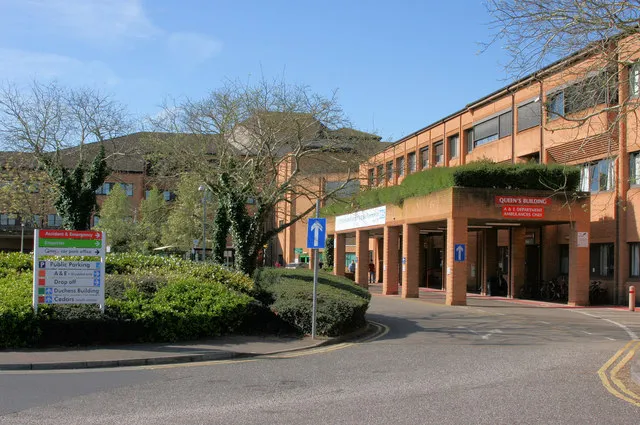
On health, the report called Sir Keir Starmer’s decision to abolish NHS England an “egregious” example of a policy with “little clarity of purpose” and no “clear plan for what it was supposed to achieve”, saying it damaged relations with staff and left the NHS “drifting”. A&E performance has not improved since the election, children’s community waiting lists are “rising uncontrollably”, and more than 25 per cent of patients now wait a year or more for care — compared with 14 per cent in 2024.
In schools, the proportion of lessons taught by teachers without a qualification in the subject rose to almost 13 per cent last year, the highest since 2016.
More on this topic: all UK Broadband stories