

NATO sends patrol planes and drones to Black Sea after deadly shipping attacks
NATO will send additional maritime patrol aircraft, radar systems and drones to the Black Sea after a string of deadly drone attacks on commercial shipping that has left at least 23 sailors missing or dead.
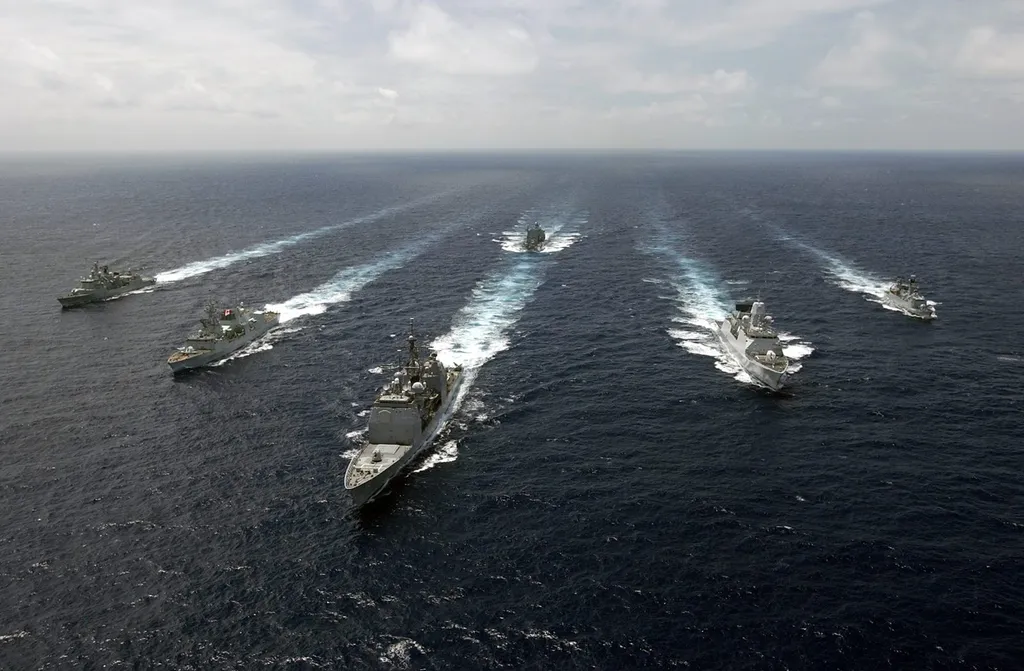
NATO will send additional maritime patrol aircraft, radar systems and drones to the Black Sea, the alliance announced on Tuesday, after a series of deadly drone attacks on commercial shipping along a vital trade route used by Ukraine.
The announcement came after the North Atlantic Council, NATO’s principal decision-making body, discussed Black Sea security at the alliance’s headquarters in Brussels. Colonel Martin L. O’Donnell, a NATO military spokesperson, said allies “have or will send additional maritime patrol aircraft, radar systems, explosive exploitation teams, intelligence personnel, drones and more to the Black Sea”.
“The most important thing we can do, however, is to increase our situational awareness in the region through increased sensors and data sharing,” O’Donnell added.
NATO’s principal spokeswoman Allison Hart said in a post on X that the alliance had already strengthened its posture along the eastern flank, including with counter-drone capabilities, and would “continue to stand united and ensure that we are ready and able to address any threat and to keep our one billion people safe”.
The move follows a deadly fortnight: seven sailors were reported missing after drones struck two chemical tankers near Romania’s Black Sea coast last week, setting them ablaze, and at least five other cargo vessels were hit near the coasts of Romania and Bulgaria over the previous ten days, with at least 23 sailors reported missing or dead. NATO, Bulgaria and Romania have not directly attributed the attacks; military analysts have said Russia almost certainly carried them out, though Moscow has not acknowledged responsibility. The EU’s top diplomat Kaja Kallas said on Tuesday that six attacks in ten days by suspected Russian drones marked “a dangerous and unacceptable escalation”, and that the Kremlin likely sought to choke off grain-export revenue to Kyiv.
Sources: Al Jazeera · Reuters via 98.5 The River · TRT World
More on this topic: all World stories