
College Football Playoff reaches 'handshake agreement' with ESPN on 24-team expansion from 2027
The College Football Playoff and ESPN have reached a preliminary 'handshake agreement' to televise an expanded 24-team playoff from the 2027 season, with final approval still pending — while Nick Saban warns coaches a bigger field will put more of them on the hot seat.
The College Football Playoff (CFP) and ESPN have reached a preliminary “handshake agreement” to televise an expanded 24-team playoff starting from the 2027 season, moving college football closer to the biggest postseason overhaul in its history.
A person familiar with the negotiations told the Associated Press on Friday that the framework of the deal had been reached, but that many details, an official contract and final approvals remained unfinished. The person requested anonymity because the negotiations were ongoing. The agreement would make up for the nine-figure sums the major conferences would lose by scrapping their championship games, the AP reported.
ESPN would pay an average of $345 million more per year for the expanded bracket, according to the network’s Pete Thamel. The current six-year deal that begins this year is worth $7.8 billion, the AP reported.
Under the format being discussed, the four Power Four conference champions and the highest-ranked champion from the Group of Six conferences would earn automatic bids, with 19 at-large teams chosen by a selection committee. The first two rounds would be played on campuses, with the top eight seeds getting a first-round bye, while the major bowls would host the quarterfinals and semifinals and the championship game would stay in late January. The regular season would start a week earlier, opening with “Week 0”, and wrap up around Thanksgiving weekend.
Big Ten commissioner Tony Petitti has argued the bye week, home-field advantage and the race to reach the top 24 would give a wider variety of teams something to play for in November, amid concerns expansion could water down the regular season.
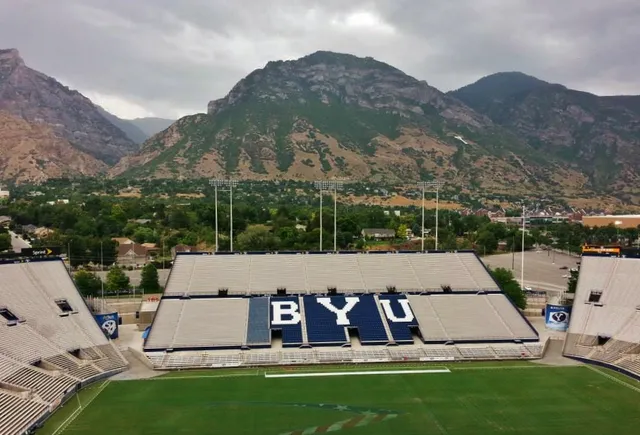
The news drew a warning from former Alabama coach Nick Saban on ESPN’s College GameDay on Saturday. Broadcasting from Provo, Utah, ahead of the No. 2 Notre Dame at No. 8 BYU game, Saban said a bigger field would “create an expectation that if you don’t get in the playoffs, they’re going to fire your ass.” He argued doubling the field would lower the bar for entry but raise fans’ expectations — an 8-4 team could hang a playoff banner next season, making missing a 24-team field harder to explain than missing the 12-team one.
Saban also flagged player workload: his Alabama teams played 15 games “maybe three times, and I thought that was too many,” while a team seeded ninth or lower that reached the final under the new format would play 17 games. On Friday he floated a 16-team field instead, with conference title games serving as play-ins.
This season’s 12-team bracket — introduced for the 2024-25 season after the four-team system — would be the last of its size if the deal is finalised.
More on this topic: all Sport stories