
Nearly all coral reefs face collapse within 50 years, IUCN warns
The first global assessment of its kind finds 96% of shallow-water coral reef systems now critically endangered, with total collapse possible by 2075 under current climate trajectories.
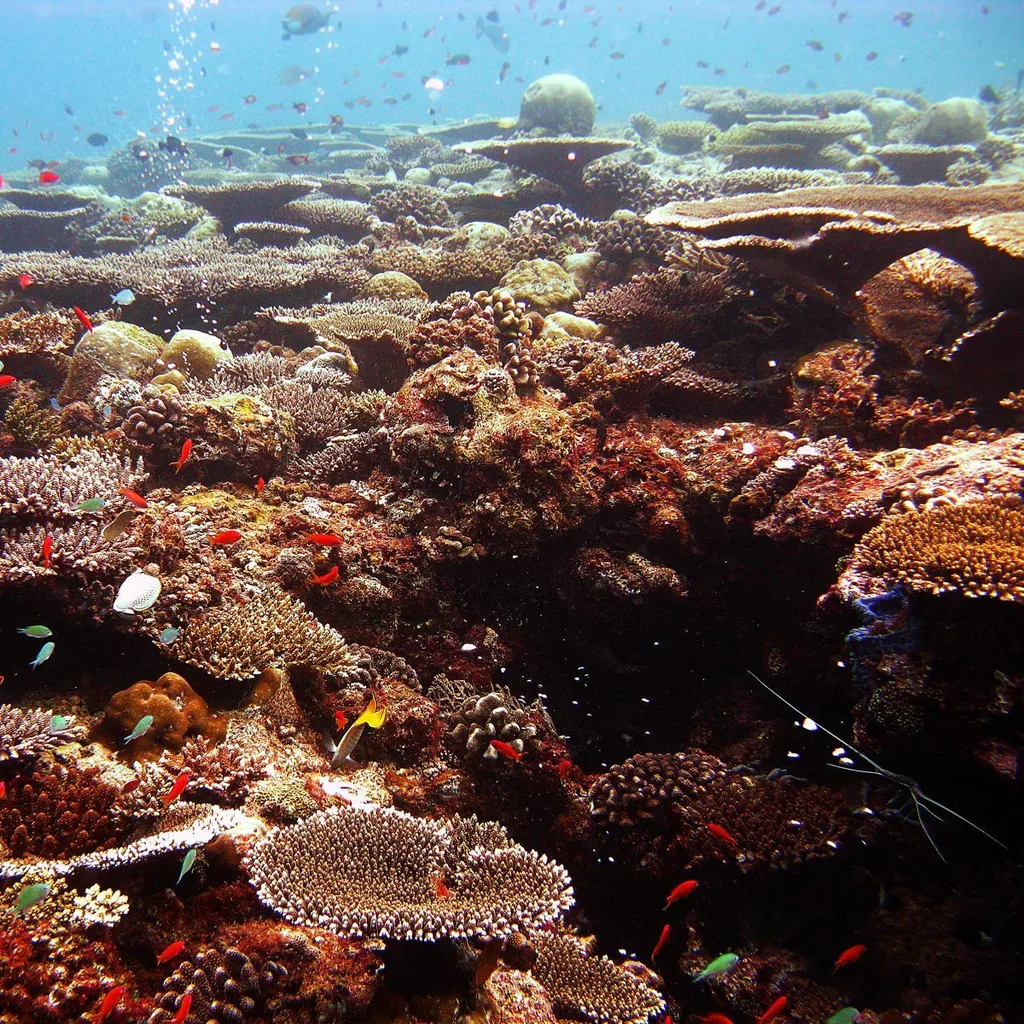
The world’s shallow-water coral reefs face an extremely high risk of collapse by 2075, the International Union for Conservation of Nature (IUCN) warned on Thursday, as it unveiled the first global assessment of its kind at the UN’s COP17 biodiversity summit in Yerevan, Armenia.
The IUCN Red List of Coral Reef Ecosystems assessment classified 96 percent of the planet’s coral reef systems as “critically endangered” — the body’s highest risk category — after examining 127 tropical and subtropical coral systems covering 188,362 square kilometres. The Great Barrier Reef, the Coral Triangle of the Western Pacific and Southeast Asia, the Caribbean’s Mesoamerican Barrier Reef and the Red Sea reefs are all among those deemed critically endangered.
Heat stress from climate change is “the single most consistent threat driving coral reef decline worldwide”, the IUCN said, amplified by bleaching events and this year’s “super” El Niño. Overfishing — notably parrotfish and grouper — threatens 63 percent of reef ecosystems.
The assessment used the “middle-of-the-road” IPCC scenario of 2.7°C warming above pre-industrial levels by 2100; the UN warned on Wednesday the world is on track for 2.6°C under current pledges.
“This gives us a critical window for action,” said Mishal Gudka, the assessment’s scientific lead and research director at CORDIO East Africa. The IUCN stressed reefs are “not yet lost”.
Sources: AFP via GMA News Online, Al Jazeera, The Japan Times, Dawn, Free Malaysia Today
More on this topic: all Science stories