
UNEP: 1.5°C overshoot now unavoidable, but return still possible with 69% emissions cuts by 2040
UNEP's Emissions Gap Report 2026 says holding 1.5°C with no or limited overshoot is no longer possible — but a 'lowest possible' overshoot peaking at 1.7–1.8°C, then returning to 1.5°C by 2100, is still on the table if emissions fall 18% by 2030 and 69% by 2040.
The chance of holding global warming to 1.5°C above pre-industrial levels with no or limited overshoot is gone, the UN Environment Programme said on Wednesday — but the overshoot need not be permanent (UNEP).
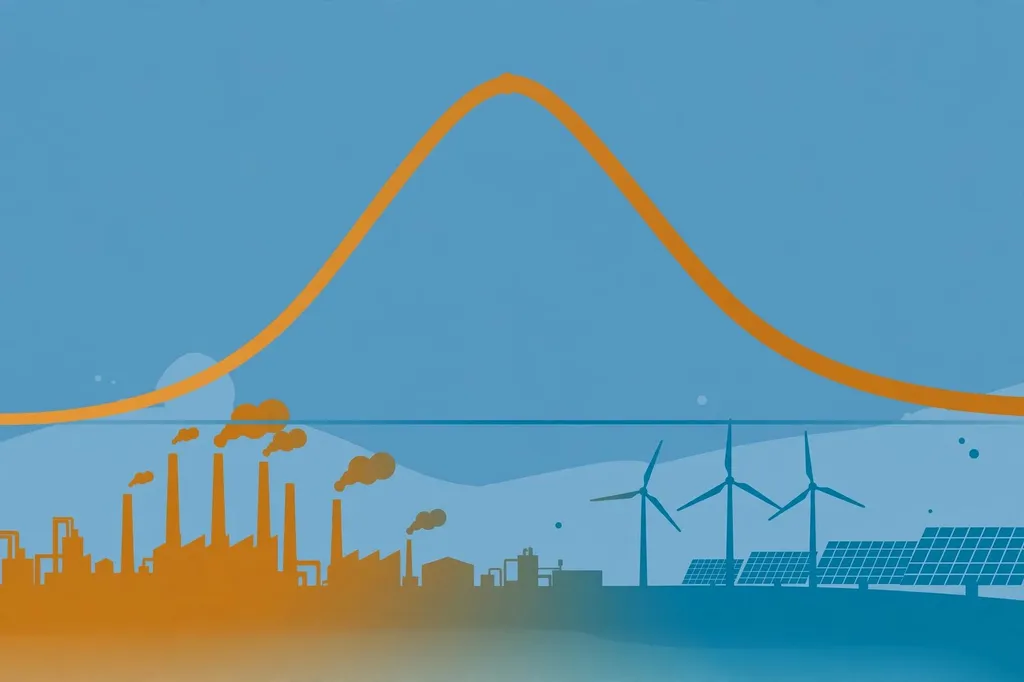
The Emissions Gap Report 2026: The Point of Return, published 21 October in Nairobi, examines a “lowest possible” 1.5°C overshoot scenario: peak warming of 1.7–1.8°C around mid-century, then a return to or below 1.5°C by 2100 — with about a 50 per cent chance, provided emissions are slashed and carbon dioxide is removed from the atmosphere at scale (UN News).
Getting on that pathway means cutting global greenhouse gas emissions by 18 per cent by 2030, 45 per cent by 2035 and 69 per cent by 2040, relative to 2025 levels. Current national pledges fall far short: fully implemented NDCs would deliver only 5–8 per cent cuts by 2030 and 11–15 per cent by 2035 — and still leave the world heading for roughly 2.6°C of warming by 2100 (Envirotec).
“Overshoot is not surrender,” UN Secretary-General António Guterres said in a message on the report. “We can still keep it as small and as short as possible — and bring temperatures back below 1.5 degrees by the end of the century.”
Global emissions reached an estimated 58.4 billion tonnes of CO₂ equivalent in 2025, broadly unchanged from 2024; UNEP cautions it is too early to declare that emissions have peaked. Anne Olhoff, director of the UNEP-Copenhagen Climate Centre, said: “We’ve spent decades postponing cuts to emissions and now we’re facing the consequences.”
Sources
- UNEP: As temperatures spike, this new report outlines humanity’s options for containing climate change
- UN News: Global warming will breach 1.5°C – but deep, fast cuts can still bring it back
- UNRIC: UNEP Emissions Gap Report 2026 — 1.5°C overshoot inevitable
- Envirotec: UN warns 1.5°C climate overshoot now unavoidable
More on this topic: all Science stories